Buy tyj.eu ?
We are moving the project
tyj.eu .
Are you interested in purchasing the domain
tyj.eu ?
domain@kv-gmbh.de · 0541-91531010
Buy tyj.eu ?
What is the torture method of sensory deprivation?
Sensory deprivation is a torture method that involves isolating a person from all sensory input, such as sight, sound, touch, and sometimes even taste and smell. This can be achieved through various means, such as blindfolding, earplugs, and restraints. The purpose of sensory deprivation is to disorient and break down the individual's sense of self, leading to psychological distress and potential long-term psychological damage. **
What are sensory cells, sensory organs, and senses?
Sensory cells are specialized cells that detect and respond to specific stimuli, such as light, sound, touch, taste, and smell. These cells are found in sensory organs, which are structures in the body that contain sensory cells and are responsible for detecting and transmitting sensory information to the brain. The senses, on the other hand, are the physiological capacities of organisms that provide data for perception. They include sight, hearing, touch, taste, and smell, and are essential for experiencing and interacting with the environment. **
Similar search terms for Sensory deprivation
Top-Angebote
Products related to Sensory deprivation:
-
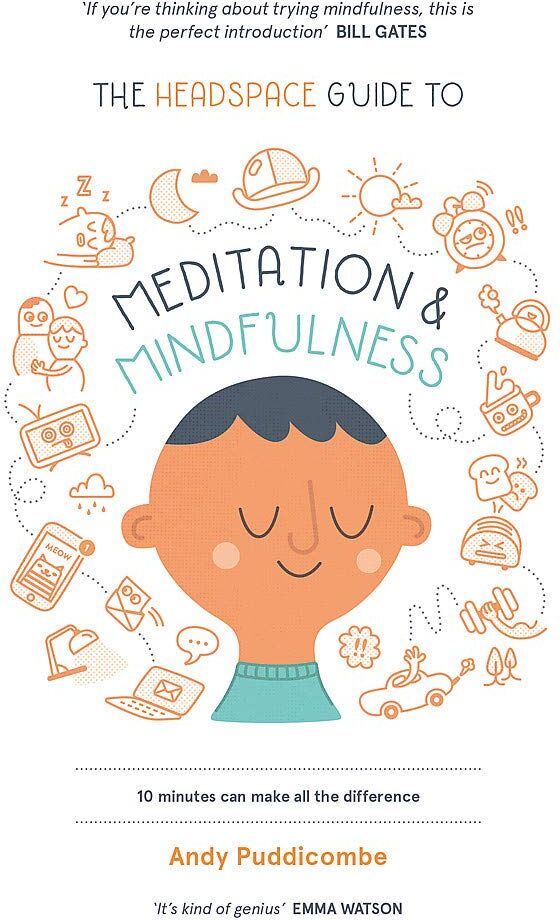
Coronet The Headspace Guide to Mindfulness & Meditation by Andy Puddicombe - Paperback - 10 Minute Daily Meditation for AdultsDiscover the accessible world of mindfulness and meditation with The Headspace Guide to Mindfulness and Meditation by Andy Puddicombe. This practical guide, written in a warm and jargon-free voice, offers a science-friendly framework for complete beginners and lapsed meditators alike. Andy Puddicombe, a former Buddhist monk, distills a decade of monastic training into ten-minute daily practices that can help restore calm, clarity, and focus. By committing to just ten minutes a day, you can meaningfully change how you read and live your life. This paperback reissue of Get Some Headspace provides a clear and accessible route into modern meditation, making it easy to incorporate mindfulness into your busy schedule.2,99 £*Shipping: 2,99 £Secure redirect to the provider
-
Uplift Essentials Floating Jellyfish Sensory Mood Lamp Floating Jellyfish Sensory Mood LampDive into a world of tranquility with the Floating Jellyfish Sensory Mood Lamp, a mesmerizing centerpiece designed to bring the calming depths of the ocean into your living space. This highdefinition aquarium uses advanced fluid dynamics to create a...72,97 $*Shipping: 0,00 $Secure redirect to the provider
-
Inspire Picks Wooden Surf Balance Board Sensory Training And Educational Yoga Seesaw For Kids camelBuild balance, confidence, and coordination through active play. This wooden surf balance board is designed to engage the senses while strengthening core muscles through gentle rocking and motion. Crafted from smooth, durable wood, its safe and...139,02 $*Shipping: 0,00 $Secure redirect to the provider



-
Is there a timer for mindfulness training, meditation, yoga, and spirituality?
There is no set timer for mindfulness training, meditation, yoga, and spirituality as it varies from person to person. Some people may find it helpful to start with short sessions, such as 5-10 minutes, and gradually increase the duration as they become more comfortable. Others may prefer longer sessions right from the start. It's important to listen to your body and mind and find a timing that works best for you. The key is to be consistent and make it a regular practice in your daily routine. **
-
Is sleep deprivation deadly?
Yes, sleep deprivation can be deadly. Chronic sleep deprivation has been linked to a number of serious health issues, including an increased risk of heart disease, stroke, and diabetes. Additionally, sleep deprivation can impair cognitive function and decision-making, leading to an increased risk of accidents and injuries. In extreme cases, prolonged sleep deprivation can even lead to death. Therefore, it is important to prioritize getting enough quality sleep for overall health and well-being. **
-
What is the difference between a primary sensory cell, a secondary sensory cell, and a sensory nerve cell?
Primary sensory cells are specialized cells that directly detect stimuli from the environment, such as light, sound, or touch. Secondary sensory cells receive signals from primary sensory cells and transmit them to the central nervous system. Sensory nerve cells, also known as sensory neurons, are responsible for transmitting the signals from secondary sensory cells to the brain, where they are processed and interpreted. In summary, primary sensory cells detect stimuli, secondary sensory cells relay the signals, and sensory nerve cells transmit the signals to the brain for processing. **
-
What is sensory perception?
Sensory perception refers to the process of receiving and interpreting information from the environment through the senses. This includes the five main senses of sight, hearing, touch, taste, and smell, as well as other sensory experiences such as balance, proprioception, and temperature. The brain then processes this sensory information to create a perception of the world around us, allowing us to interact with and understand our surroundings. Sensory perception is essential for everyday functioning and plays a crucial role in how we experience and navigate the world. **


Are receptors sensory cells?
Receptors are not sensory cells themselves, but they are specialized proteins located on the surface of sensory cells. These receptors are responsible for detecting and responding to specific stimuli, such as light, sound, taste, or smell. When a receptor is activated by a stimulus, it triggers a series of biochemical reactions within the sensory cell, ultimately leading to the generation of a sensory signal that can be transmitted to the brain for processing. Therefore, while receptors are not sensory cells, they play a crucial role in the sensory process by detecting and transducing stimuli into neural signals. **
How dangerous is sleep deprivation?
Sleep deprivation can have serious consequences on both physical and mental health. It can impair cognitive function, decrease immune function, and increase the risk of accidents and injuries. Chronic sleep deprivation has been linked to an increased risk of developing chronic conditions such as obesity, diabetes, and heart disease. In extreme cases, prolonged sleep deprivation can even lead to hallucinations, psychosis, and death. It is important to prioritize getting enough quality sleep to maintain overall health and well-being. **
Top-Angebote
Products related to Sensory deprivation:
-
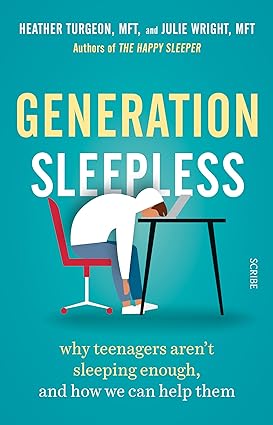
Scribe UK Generation Sleepless by Heather Turgeon & Julie Wright - Paperback Parenting Guide to Teen Sleep Deprivation - Foreword by Daniel J. SiegelA science-backed parenting guide, Generation Sleepless by Heather Turgeon and Julie Wright, tackles the often-overlooked issue of chronic sleep deprivation in adolescents. Written by therapists with years of clinical experience, this book combines the latest sleep research with practical strategies to help families rebuild healthy sleep habits. It reveals that today's teenagers are among the most sleep-deprived generations in history, and shows parents how to help their children develop better sleep routines, leading to calmer evenings and more focused, resilient teens. Published by Scribe UK, this paperback is a valuable resource for parents of tweens and teens.7,49 £*Shipping: 2,99 £Secure redirect to the provider
-
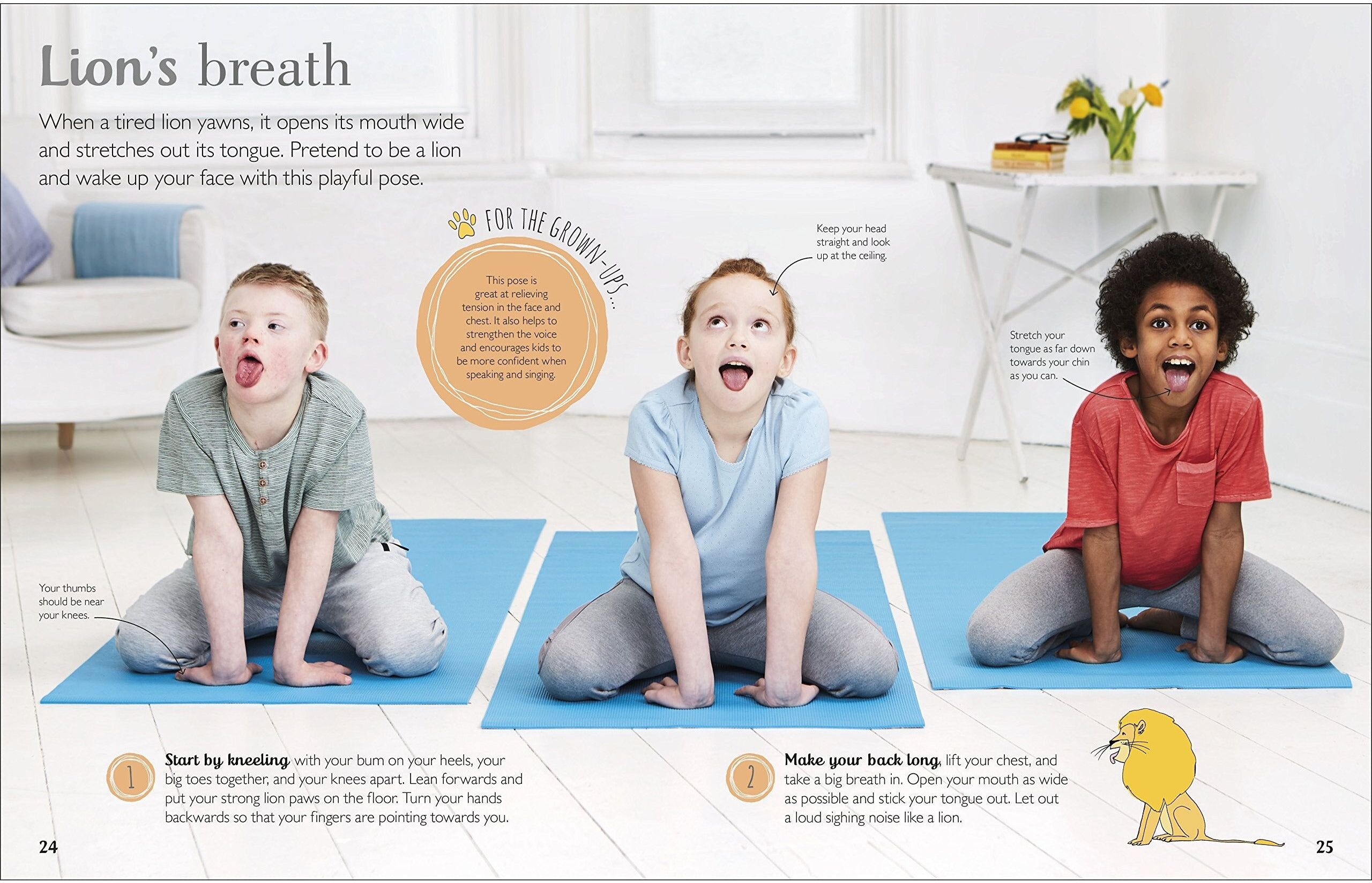
DK Yoga For Kids: Simple First Steps in Yoga and Mindfulness (Mindfulness for Kids) by Susannah HoffmanSimple first steps in yoga and mindfulness for your little one to discover!Yoga for Kids is a great way to teach your children about yoga, mindfulness, meditation and peace - whilst having fun at the same time! This all-encompassing guide includes everything you need to know about yoga for children. Encourage your child's curiosity as they explore simple variations of much-loved yoga poses, from the comfort of your own home!Dive straight in to discover:-Over 25 simple poses and yoga activities to explore-How to achieve maximum mindfulness and fun throughout each activity-Colourful illustrations and photographs showing yoga poses for kids to copy-Higher-level information allows parents to understand and ensure safety behind each poseYoga for Kids aims to teach children all about yoga and mindfulness using a strongly visual approach. Featuring exercises for the parents and children to explore independently or together, whether it's stretching into tree pose, bending into butterfly pose, succeeding with sun salutation or doing downward dog, your child can explore a series of fun and engaging yoga poses that'll keep them entertained for hours! Follow the activities presented in this yoga guide, and your little one can learn how to perfect their poses and become stronger and more confident too!The ideal yoga activity book for 6-9 year olds, this is a must-have volume for children who like moving, learning and bending! Whether you're a parent looking to encourage your child to relax, engage, focus and have fun, or you think your child may be experiencing anxiety and you're looking for a fun and mindful activity the family can enjoy together, this all-encompassing yoga book for children may be calling your name!Children's yoga expert Susannah Hoffman sets out to prove that supporting a child's positive mental health does not need to be expensive, difficult or even time-consuming.With this awe-inspiring activity book, your child can explore yoga poses that will help them de-stress and have fun at the same time!4,99 £*Shipping: 1,99 £Secure redirect to the provider
-
Coronet The Headspace Guide to Mindfulness & Meditation by Andy Puddicombe - Paperback - 10 Minute Daily Meditation for AdultsDiscover the accessible world of mindfulness and meditation with The Headspace Guide to Mindfulness and Meditation by Andy Puddicombe. This practical guide, written in a warm and jargon-free voice, offers a science-friendly framework for complete beginners and lapsed meditators alike. Andy Puddicombe, a former Buddhist monk, distills a decade of monastic training into ten-minute daily practices that can help restore calm, clarity, and focus. By committing to just ten minutes a day, you can meaningfully change how you read and live your life. This paperback reissue of Get Some Headspace provides a clear and accessible route into modern meditation, making it easy to incorporate mindfulness into your busy schedule.2,99 £*Shipping: 2,99 £Secure redirect to the provider
-
Uplift Essentials Floating Jellyfish Sensory Mood Lamp Floating Jellyfish Sensory Mood LampDive into a world of tranquility with the Floating Jellyfish Sensory Mood Lamp, a mesmerizing centerpiece designed to bring the calming depths of the ocean into your living space. This highdefinition aquarium uses advanced fluid dynamics to create a...72,97 $*Shipping: 0,00 $Secure redirect to the provider
-
What is the torture method of sensory deprivation?
Sensory deprivation is a torture method that involves isolating a person from all sensory input, such as sight, sound, touch, and sometimes even taste and smell. This can be achieved through various means, such as blindfolding, earplugs, and restraints. The purpose of sensory deprivation is to disorient and break down the individual's sense of self, leading to psychological distress and potential long-term psychological damage. **
-
What are sensory cells, sensory organs, and senses?
Sensory cells are specialized cells that detect and respond to specific stimuli, such as light, sound, touch, taste, and smell. These cells are found in sensory organs, which are structures in the body that contain sensory cells and are responsible for detecting and transmitting sensory information to the brain. The senses, on the other hand, are the physiological capacities of organisms that provide data for perception. They include sight, hearing, touch, taste, and smell, and are essential for experiencing and interacting with the environment. **
-
Is there a timer for mindfulness training, meditation, yoga, and spirituality?
There is no set timer for mindfulness training, meditation, yoga, and spirituality as it varies from person to person. Some people may find it helpful to start with short sessions, such as 5-10 minutes, and gradually increase the duration as they become more comfortable. Others may prefer longer sessions right from the start. It's important to listen to your body and mind and find a timing that works best for you. The key is to be consistent and make it a regular practice in your daily routine. **
-
Is sleep deprivation deadly?
Yes, sleep deprivation can be deadly. Chronic sleep deprivation has been linked to a number of serious health issues, including an increased risk of heart disease, stroke, and diabetes. Additionally, sleep deprivation can impair cognitive function and decision-making, leading to an increased risk of accidents and injuries. In extreme cases, prolonged sleep deprivation can even lead to death. Therefore, it is important to prioritize getting enough quality sleep for overall health and well-being. **
Similar search terms for Sensory deprivation
-
Inspire Picks Wooden Surf Balance Board Sensory Training And Educational Yoga Seesaw For Kids camelBuild balance, confidence, and coordination through active play. This wooden surf balance board is designed to engage the senses while strengthening core muscles through gentle rocking and motion. Crafted from smooth, durable wood, its safe and...139,02 $*Shipping: 0,00 $Secure redirect to the provider
-
Inspired Finds Interactive Floating Fish Water Sensory Play Mat For Cats sensory MatTurn ordinary playtime into a captivating sensory adventure for your pet. This interactive cat mat features a waterfilled design with floating fish elements that move and shift as your cat paws, presses, and explores the surface. The engaging motion...34,99 $*Shipping: 0,00 $Secure redirect to the provider
-
Quick Pick Pro Stretchable Pop Tubes Sensory Stress Relief Toy Kids Party Favors & Dog Sensory Toy Pack Stretchable Pop Tubes Sensory Stress Relief Toy Kids Party Favors & Dog Sensory Toy PackTurn everyday fidgeting into fun, calming play with pop tubes sensory toy designed to entertain, soothe, and engage both kids and pets. This colorful 10piece set transforms simple movement into satisfying sound and motion that keeps hands busy and...29,97 $*Shipping: 0,00 $Secure redirect to the provider
-
What is the difference between a primary sensory cell, a secondary sensory cell, and a sensory nerve cell?
Primary sensory cells are specialized cells that directly detect stimuli from the environment, such as light, sound, or touch. Secondary sensory cells receive signals from primary sensory cells and transmit them to the central nervous system. Sensory nerve cells, also known as sensory neurons, are responsible for transmitting the signals from secondary sensory cells to the brain, where they are processed and interpreted. In summary, primary sensory cells detect stimuli, secondary sensory cells relay the signals, and sensory nerve cells transmit the signals to the brain for processing. **
-
What is sensory perception?
Sensory perception refers to the process of receiving and interpreting information from the environment through the senses. This includes the five main senses of sight, hearing, touch, taste, and smell, as well as other sensory experiences such as balance, proprioception, and temperature. The brain then processes this sensory information to create a perception of the world around us, allowing us to interact with and understand our surroundings. Sensory perception is essential for everyday functioning and plays a crucial role in how we experience and navigate the world. **
-
Are receptors sensory cells?
Receptors are not sensory cells themselves, but they are specialized proteins located on the surface of sensory cells. These receptors are responsible for detecting and responding to specific stimuli, such as light, sound, taste, or smell. When a receptor is activated by a stimulus, it triggers a series of biochemical reactions within the sensory cell, ultimately leading to the generation of a sensory signal that can be transmitted to the brain for processing. Therefore, while receptors are not sensory cells, they play a crucial role in the sensory process by detecting and transducing stimuli into neural signals. **
-
How dangerous is sleep deprivation?
Sleep deprivation can have serious consequences on both physical and mental health. It can impair cognitive function, decrease immune function, and increase the risk of accidents and injuries. Chronic sleep deprivation has been linked to an increased risk of developing chronic conditions such as obesity, diabetes, and heart disease. In extreme cases, prolonged sleep deprivation can even lead to hallucinations, psychosis, and death. It is important to prioritize getting enough quality sleep to maintain overall health and well-being. **
* All prices are inclusive of VAT and, if applicable, plus shipping costs. The offer information is based on the details provided by the respective shop and is updated through automated processes. Real-time updates do not occur, so deviations can occur in individual cases. ** Note: Parts of this content were created by AI.